
Our Workshop Story and Editorial Commitment
Rematter Review began out of frustration with online recycling advice that relied on flimsy stock photos and untested instructions. In real workshops, transforming salvaged solid oak timber and post-industrial scrap brass requires honest measurements, sharp tools, and patience.
We set up an independent studio to physically dismantle, test, and rebuild upcycled objects. Every tutorial we publish is constructed step by step at our workbench using genuine reclaimed post-consumer cotton, recycled borosilicate glass, and salvaged timber.
Our publication is reader supported. We do not accept paid brand sponsorships, retail referral commissions, or corporate gifts. We believe zero waste living deserves honest, rigorous documentation that respects your time and your hands.
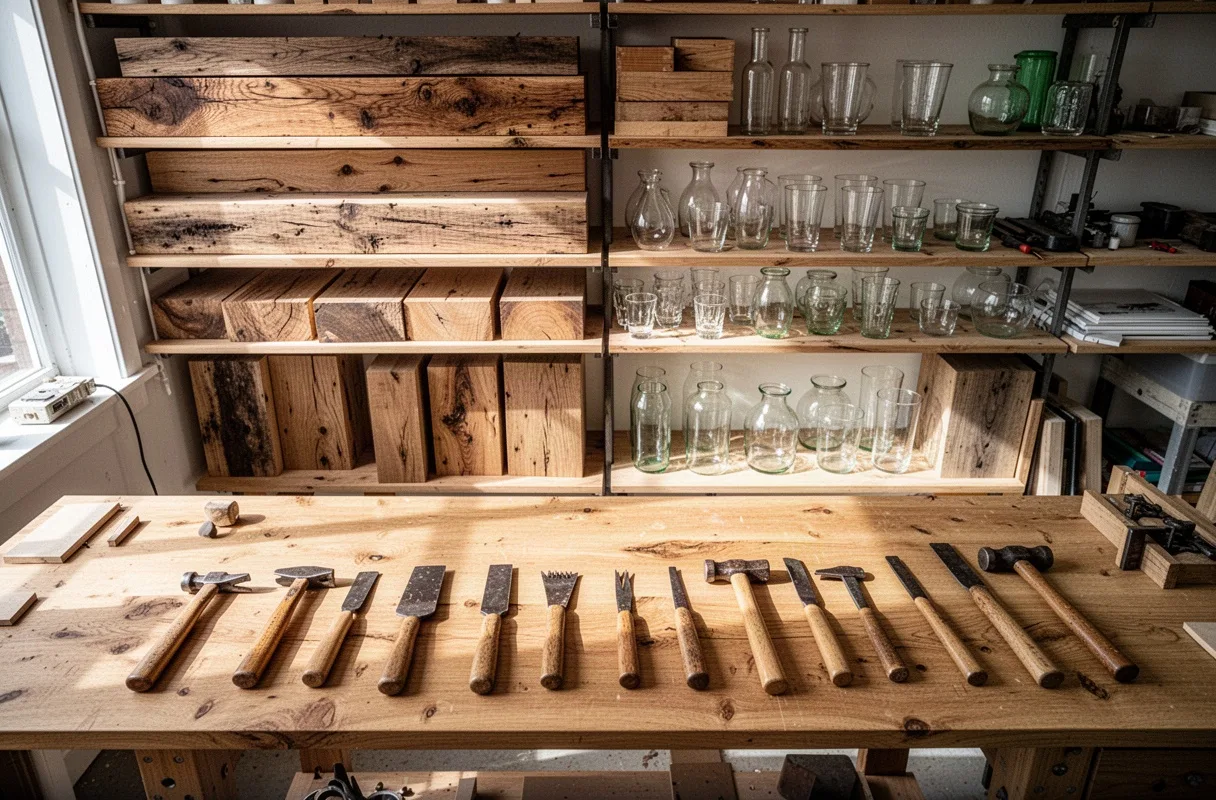
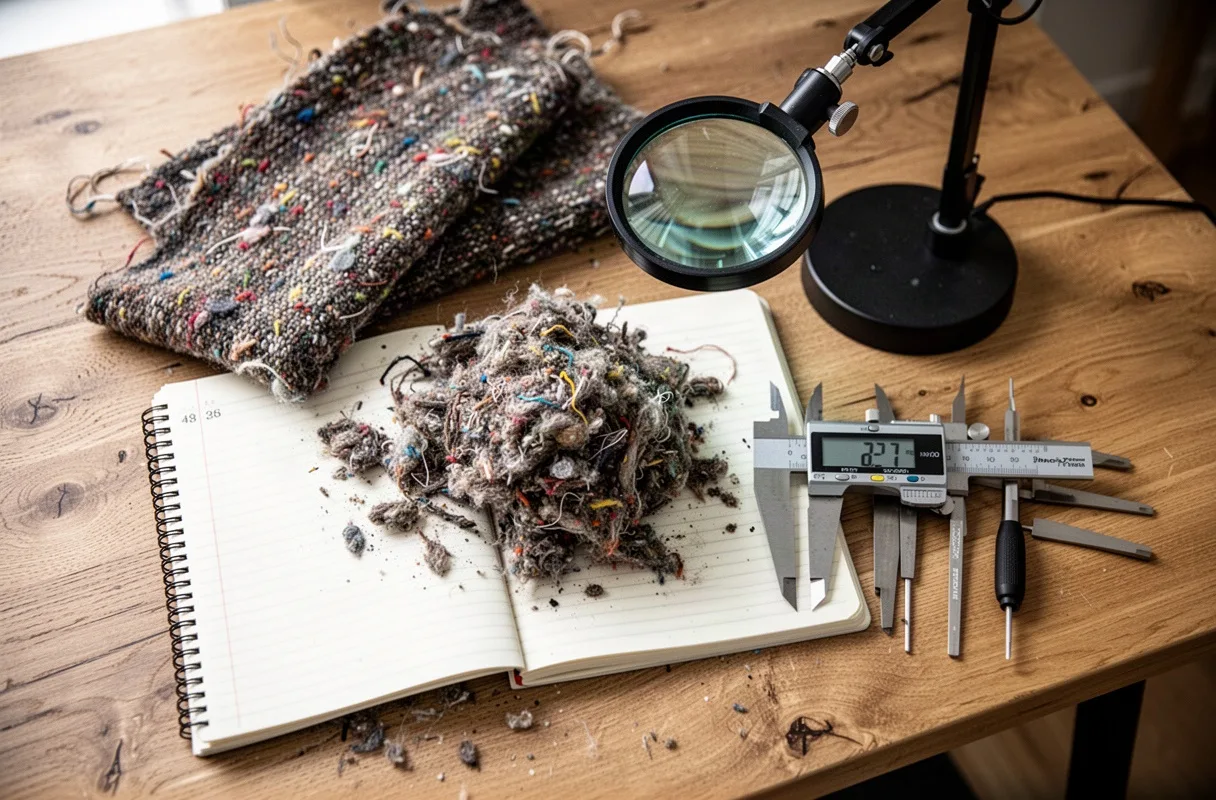

We cut open reclaimed goods and inspect their joints so readers know exactly how salvaged timber and brass perform.
How We Keep Editorial Quality
Our team tests each material in our studio bench before writing a single word. We confirm tool requirements, safety margins, and drying times so readers get realistic results.
Material Honesty
We openly discuss the flaws and quirks of reclaimed timber and scrap brass. If a project requires specialized tools or takes twelve hours, we say so plainly.
Zero Commercial Influence
We accept no promotional gifts or corporate funding for our evaluations. Every opinion reflects what happened at our physical workshop bench.
Plain Practical Language
We avoid pretentious design jargon and vague environmental buzzwords. Our articles focus on measurable dimensions, safe techniques, and clean assembly.
Principles Behind Our Workbench
Rigorous Material Audits
Every guide begins with hands-on disassembly of reclaimed materials in our independent studio.
Zero Brand Sponsorships
We never accept paid placements or sponsored articles from commercial brands.
Workshop-Tested Instructions
Our staff recreates every upcycling tutorial from scratch before publication.
Full Material Transparency
We document the exact grade of salvaged oak, recycled glass, and post-consumer cotton used.
Reader-Supported Independence
Our publication is funded solely through direct reader contributions and workshop print runs.
Plain Practical Advice
We focus on simple hand tools and realistic repair steps anyone can follow at home.